
Contents
- 📋 Prerequisites & What You Need
- 🔧 Step 1: Identify the Cause of the Clog
- ⚙️ Step 2: Use a Plunger
- 🎯 Step 3: Use a Drain Snake
- ✅ Step 4: Use Chemical Drain Openers
- 🚀 Step 5: Maintain Your Plumbing System
- ⚠️ Common Mistakes & How to Avoid Them
- 💰 Cost & Time Breakdown
- 📊 Expected Results & Metrics
- 💡 Pro Tips & Advanced Techniques
- Frequently Asked Questions
- References
- Related Topics
Overview
This comprehensive guide will walk you through the process of unclogging a drain, from identifying the cause of the clog to using chemical drain openers. With these steps, you'll be able to clear clogs and maintain your plumbing system, saving you time and money in the long run. By learning how to unclog a drain, you'll be able to tackle this common problem with confidence and ease, just like a professional plumber.
📋 Prerequisites & What You Need
Before you start, make sure you have the necessary tools and materials, including a plunger, drain snake, and chemical drain opener. It's also essential to wear protective gloves and eyewear to prevent injury, as recommended by the Occupational Safety and Health Administration. You can find these tools at a hardware store like Home Depot or Lowe's.
🔧 Step 1: Identify the Cause of the Clog
To identify the cause of the clog, check your drain for visible blockages, such as hair or soap scum. You can also use a drain camera to inspect the pipe and determine the location of the clog. This will help you choose the best method for clearing the clog. For example, if the clog is caused by a buildup of grease, you may need to use a drain snake to break up the blockage.
⚙️ Step 2: Use a Plunger
To use a plunger, place the plunger over the clogged drain and push down slowly, then pull up quickly to create suction. Repeat this process several times until the clog is cleared. Make sure to use a plunger that is the correct size for your drain to ensure effective suction.
🎯 Step 3: Use a Drain Snake
To use a drain snake, feed the snake into the drain and rotate it as you push it further into the pipe. This will help break up any blockages and clear the clog. Be careful not to push too hard, as this can damage the pipe.
✅ Step 4: Use Chemical Drain Openers
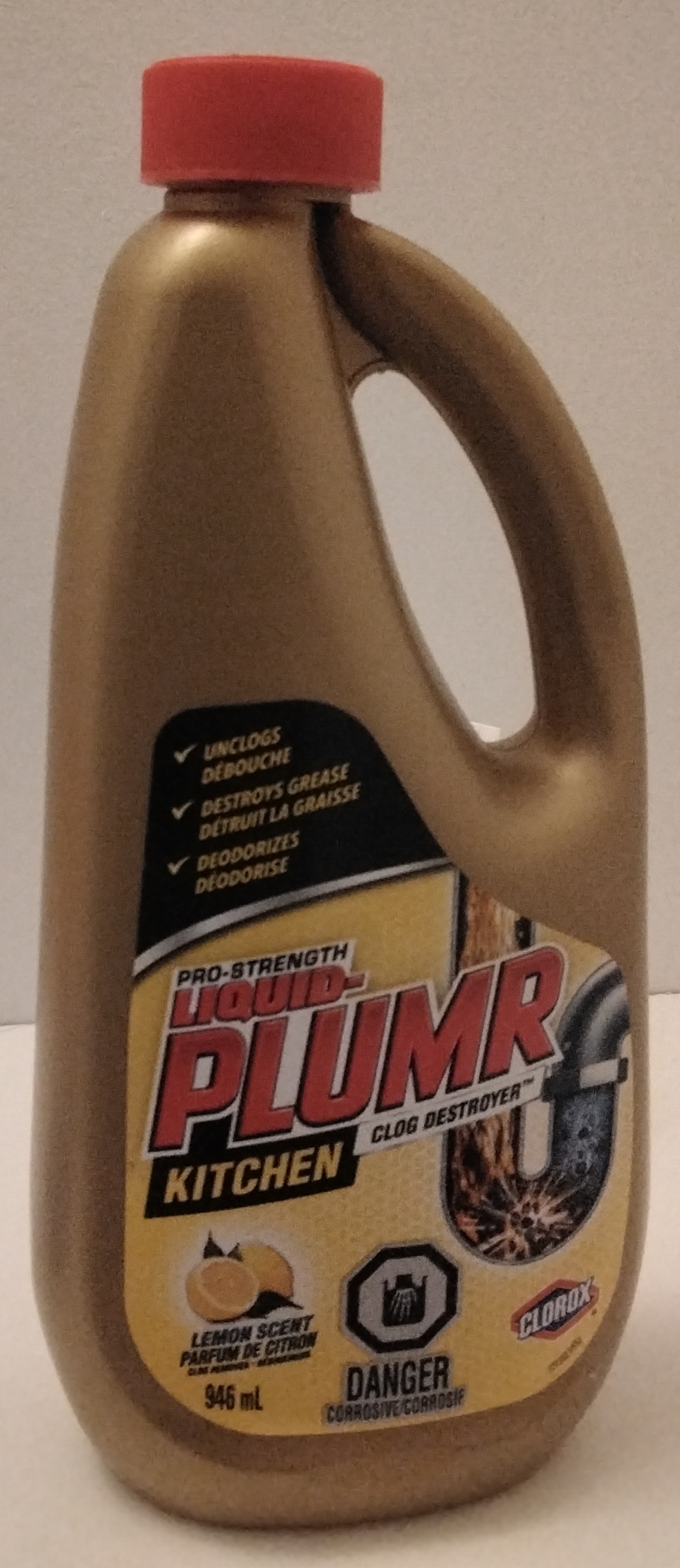
To use chemical drain openers, follow the instructions on the label and pour the recommended amount down the drain. Let it sit for the specified amount of time, then flush the drain with hot water. Be sure to wear protective gloves and eyewear, and avoid using chemical drain openers on rubber piping, as they can cause damage. The Environmental Protection Agency warns that chemical drain openers can be hazardous to your health and the environment if not used properly.
🚀 Step 5: Maintain Your Plumbing System
To maintain your plumbing system, regularly check your drains for signs of clogs and address any issues promptly. You can also use a drain maintenance product to help prevent clogs from forming in the first place.
⚠️ Common Mistakes & How to Avoid Them
Common mistakes to avoid when unclogging a drain include using too much force, which can damage the pipe, and not wearing protective gear, which can put you at risk of injury. Additionally, be sure to follow the instructions on any chemical drain openers you use, and avoid using them on rubber piping.
💰 Cost & Time Breakdown
The cost of unclogging a drain can vary depending on the method you choose.
📊 Expected Results & Metrics
By following these steps, you can expect to clear most clogs within 30 minutes to an hour, depending on the severity of the blockage. To measure the success of your efforts, check the water flow in your drain after clearing the clog. If the water flows freely, you've successfully unclogged your drain.
💡 Pro Tips & Advanced Techniques
For more advanced techniques, consider using a drain camera to inspect your pipes and identify any potential issues before they become major problems. You can also use a water jet to clear tough clogs, but be sure to follow the manufacturer's instructions and take necessary safety precautions. Using a drain camera can help identify potential issues before they become major problems.
Key Facts
- Year
- 2022
- Origin
- United States
- Category
- hat-styles
- Type
- concept
- Format
- how-to
Frequently Asked Questions
What is the best way to unclog a drain?
The best way to unclog a drain depends on the severity of the clog and the type of pipe. For minor clogs, a plunger or drain snake may be effective. For more severe clogs, chemical drain openers may be necessary.
How often should I check my drains for clogs?
It's a good idea to check your drains regularly for signs of clogs, such as slow draining or gurgling sounds.
What are the risks of using chemical drain openers?
Chemical drain openers can be hazardous to your health and the environment if not used properly. Be sure to follow the instructions on the label and take necessary safety precautions, such as wearing protective gloves and eyewear.
Can I use a drain snake on any type of pipe?
No, drain snakes are not suitable for all types of pipes. They can damage rubber piping, so be sure to check the type of pipe you have before using a drain snake.